Every season, your Greater Chicago commercial property requires targeted maintenance, especially during winter when temperatures drop.
Cold weather, snow accumulation, and ice can severely impact your facility and landscape, which you’ve invested in. Winter winds and freezing temperatures can cause property damage, utility outages, or even force temporary business closures—issues no property manager wants to face.
Therefore, it’s crucial to prepare in advance by arranging for commercial snow removal and ensuring all measures are in place before severe winter storms arrive.
Top 10 Ways to Prepare For Professional Snow Removal
Flooding, slippery surfaces, snow piles, and ice accumulation can occur in different areas of your Greater Chicago commercial facility.
Heavy snow and ice can accumulate on weak tree branches, risking them falling on cars, buildings, or people. Rapid ice melting can lead to flooding. The cycle of freezing and thawing can also damage hardscapes, sidewalks, walkways, or entryways.
Failing to prepare your extensive turf areas for winter may result in snow mold or other issues that become visible in spring.
To prevent these problems, properly prepare your commercial property for snow removal to maintain a clean, professional appearance during the harsh season and achieve better landscape recovery in spring.
Follow these ten snow removal tips to ensure the job is done effectively.
1. Get Last Minute Planting Done
Before winter, as Greater Chicago temperatures cool off, this is actually the prime time of year to plant any new trees, shrubs, and perennials you want to add to your commercial landscape.
Planting in September through November allows plant roots to become established before the ground freezes and winter sets in. Those plants are also better prepared to handle summer’s extreme heat and drought, as well as to fight off pests and diseases.
If you have been looking to freshen up a space or add a landscape bed, preparing your commercial landscape beds now, before snow removal services are necessary, can help you plan for a great spring when the growing season returns.
2. Wrap Sensitive Plants
While you’re boosting the aesthetics of your landscape beds with some new material, you should also plan to protect sensitive plant material from winter’s worst.
For instance, if you have new trees on your commercial property or those with thinner bark, wrapping them could help protect them from winter’s frigid temperatures.

This winter protection is vital because winter sun warms tree bark, and then temperatures drop very quickly once the sun disappears, which can crack and dry bark or lead to sunscald. This can also impact evergreen needles, turning them brown.
Wrapping sensitive trees with burlap is a snow-removal tip that can provide winter protection for trees that are weak, newly planted, dehydrated, or regularly exposed to heavy wind.
3. Conduct Proper Pruning Throughout the Year
Proper pruning of the trees on your commercial property in Greater Chicago means removing dead, diseased, dying, or damaged branches regularly.
These are the branches and limbs most susceptible to falling and causing further damage to your property or to people who regularly navigate your site. Add heavy snow buildup and ice accumulation, and you’re basically asking for those already weak branches to fall.
By keeping up with tree pruning, you are one step ahead of winter; it’s a snow removal tip that can save you a lot of hassle.
4. Shut Down Your Commercial Irrigation System
During the growing season, your commercial facility’s trees, shrubs, perennials, annuals, and lawn require regular irrigation. But as the year comes to an end, your property needs less and less water.
Commercial snow removal preparation includes cleaning out and shutting down your irrigation system to avoid damage during the winter months when freeze-thaw cycles are extreme. This task involves blowing out any remaining water and properly shutting the system down to avoid severe damage or costly repairs come springtime.
5. Clean Up Trip or Plow Hazards
Before snow covers the ground, you want to walk the areas of your site that snowplows will go across regularly – you can also ask your snow and ice professional to help you with this task.

As you look over these hardscape areas like parking lots and sidewalks, you want to look for debris, chunks of concrete or stone that are heaving or missing. Why?
Because if these items get buried under snow or ice and then your snowplow comes through and hits it, you could have further hardscape damage.
Or if people on your property are moving about and trip on these areas, you could face liability concerns. Basically, any damage to curbs, concrete, or asphalt can pose a danger once it’s hidden under the snow.
Cleaning up your site and removing any obstacles or hazards before the snow falls and ice builds up is a snow removal tip that can help reduce damage and eliminate excess costs and repairs.
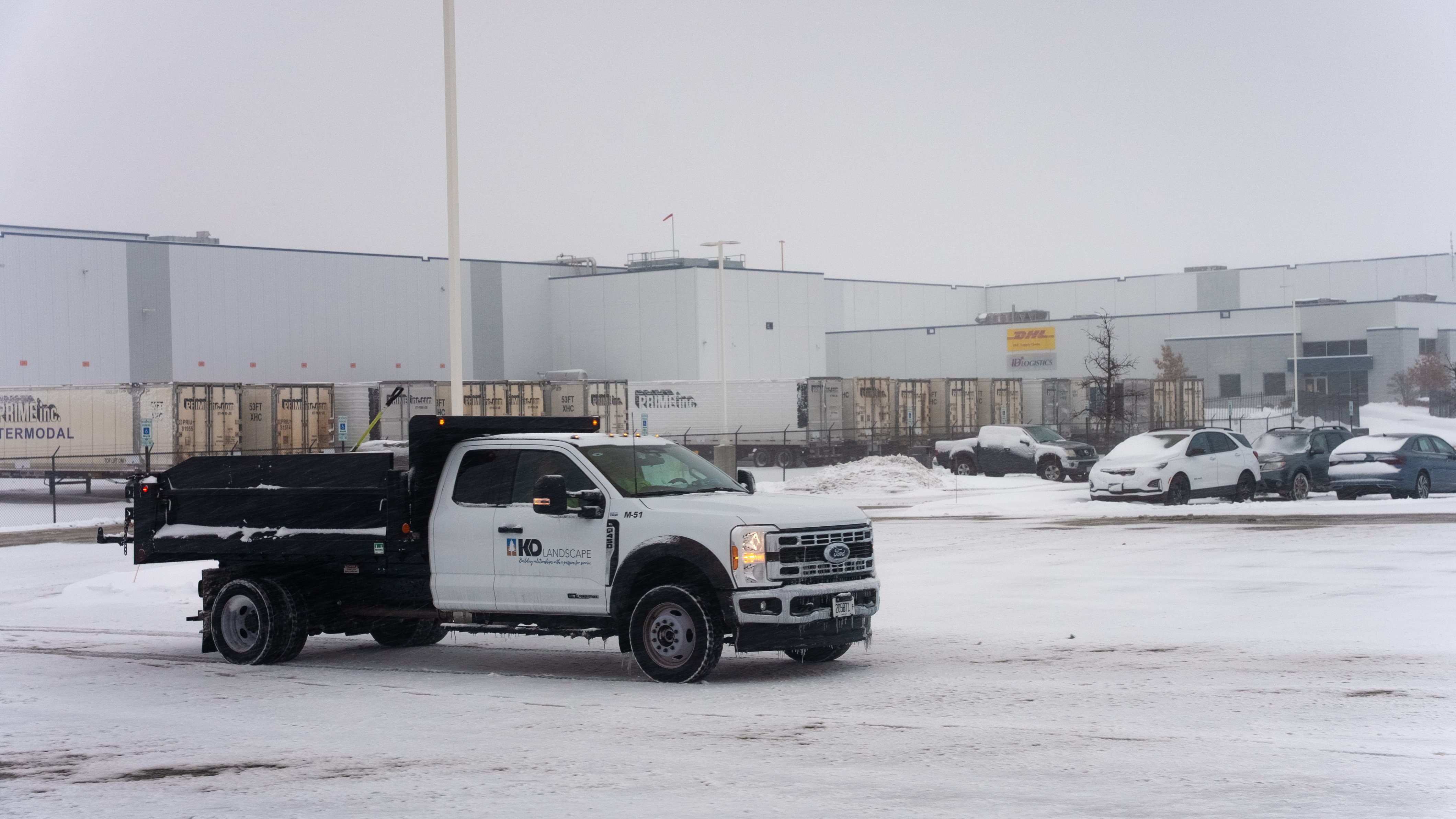
6. Mark the Edges of Your Parking Lots and Driveways
Make sure you talk with your snow removal services team about making a plan to prepare for winter. Your property may require some extra precautions to best protect it from snow and ice. This can include the installation of plow stakes to protect areas from snowplow damage or snow fencing to limit large drifts.
These markers can be set up along curbs, driveway edges, decorative areas and parking lot islands. This helps snowplow operators avoid these obstacles.
Plow stakes and markers are great ways to prevent costly damage. A good snow removal company will even provide and install these markers for you before the season begins.
7. Ensure Your Snow Removal Services Provider Stocks Up on the Necessities
You want to ensure your commercial snow removal professional is ready for the season with enough salt and deicing products to handle whatever ice accumulates.
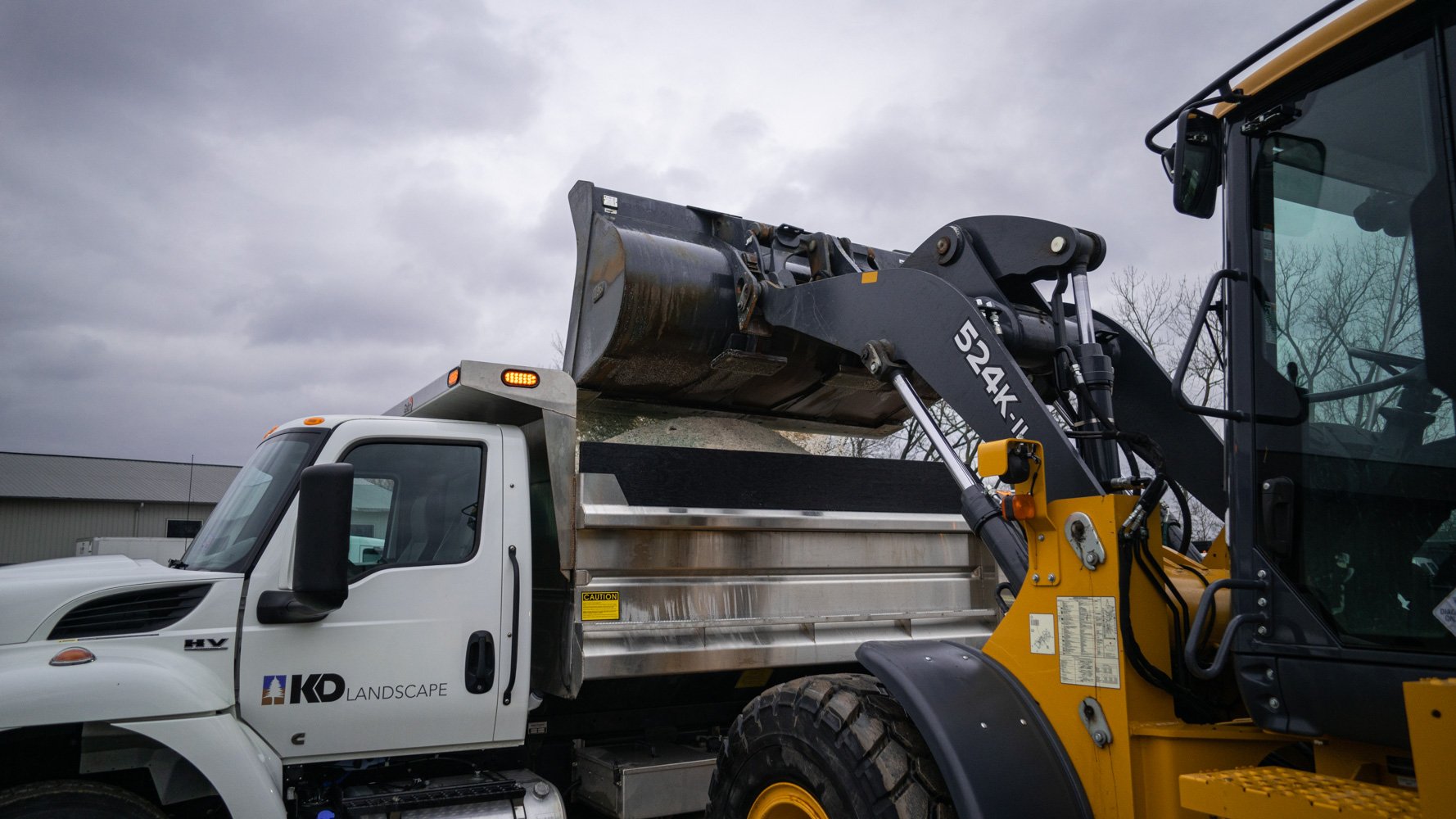
These products prevent ice build-up on walkways, paths, entryways, and sidewalks, which ensures your customers, employees, visitors, and guests can safely access your building.
If you have a large site, you might even have an agreement with your professional grounds management firm that enables you to store salt and deicing products on your property so it’s right there when needed. This little bit of preparation goes a long way in ensuring a smooth snow season.
8. Plan For Snow Equipment Storage if Needed
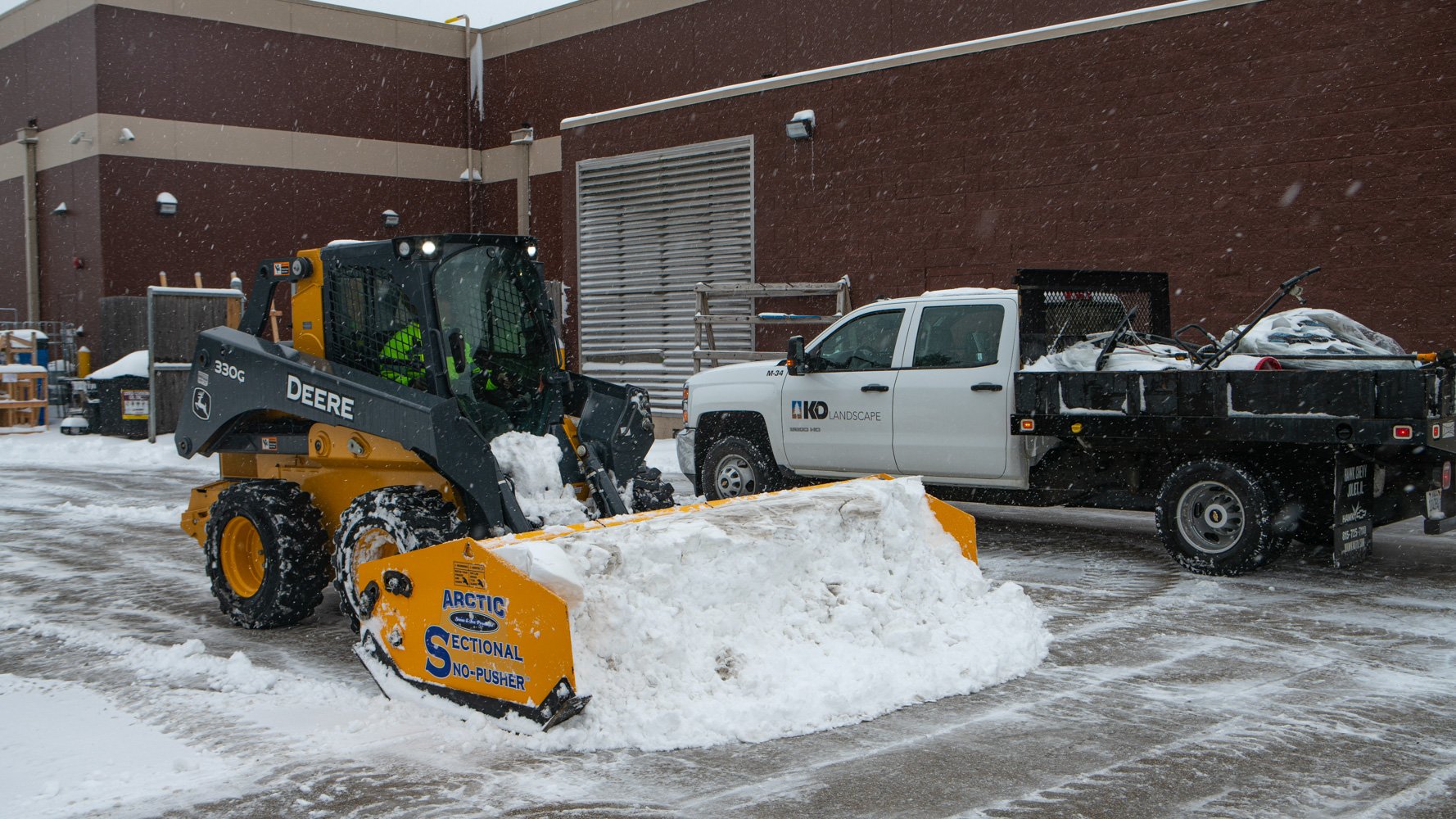
If you operate or manage a large commercial site in Greater Chicago, you likely need larger equipment to handle heavy snow and ice. This means skid-steers, loaders, and sidewalk snow removal units. You also need larger amounts of salt, calcium, and deicing agents.
You want to find a commercial snow removal service company that has enough equipment and resources to service a property of your scope and size. They also must have the experience and knowledge to use that type of equipment.

On top of that, in the middle of extreme storms or massive snow and ice events, if one of their pieces of equipment shuts down, you want to make sure the company you hire has enough backups or mechanics on hand to maintain and replace equipment swiftly to minimize downtime and keep your property open and operating.
If your site is large enough, you may even include provisions in your contract to keep some larger equipment on site to streamline snow and ice management services further. In your contract, this can be called a monthly “ready fee” that ensures equipment is ready to use when needed.
9. Don’t Forget Fall Cleanup
Before winter arrives, you want to make sure you have done a good leaf cleanup from the fall. Raking up leaves, blowing them into piles, and disposing of them or removing them keeps your lawn looking fresh while also preparing your commercial property for snow removal services.
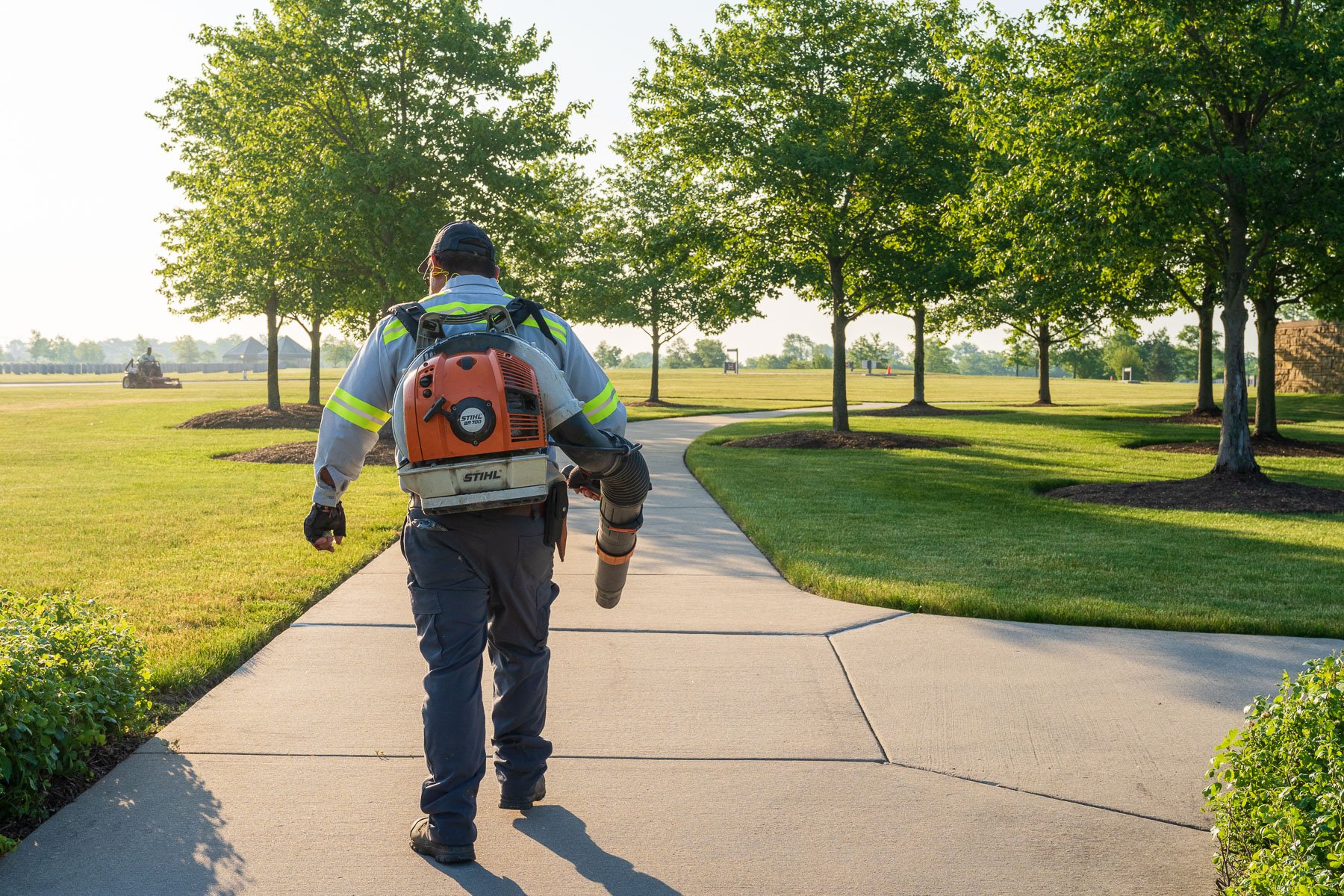
This is so important because leaves left on your lawn can become wet from snow and ice, smothering your turf during the winter and allowing disease to develop.
You also want to make sure your commercial grounds management professional conducts the last mow of the season properly. This means cutting the grass a bit shorter going into winter to prevent snow mold from accumulating, which can harm your lawn or make it look unattractive next spring.
Another part of the cleanup includes deadheading or cutting back perennials and ornamental grasses to keep them neat and ready for spring growth.
10. Make Sure You Sign Your Snow Contract Early
Have you signed your professional snow removal and ice management contract yet? We get it; you’re busy. In fact, many commercial property managers wait until the last minute to make a final decision on the right snow removal contract.
But the earlier you sign a snow and ice management contract, the more your service professional can plan to take care of your property efficiently, and the better prepared you’ll be in case of early snow and ice storms in Greater Chicago.
Signing your contract in the fall allows your snow and ice removal services professional to strategically develop an efficient route for your commercial property, so you are prioritized on their list.
It also ensures they have time to properly prepare a plan for where to pile snow on your site and develop strategies for different types of snow events. You know we get all kinds of storms in Greater Chicago – from intense ice storms to heavy snow and even slushy mixes of the two.
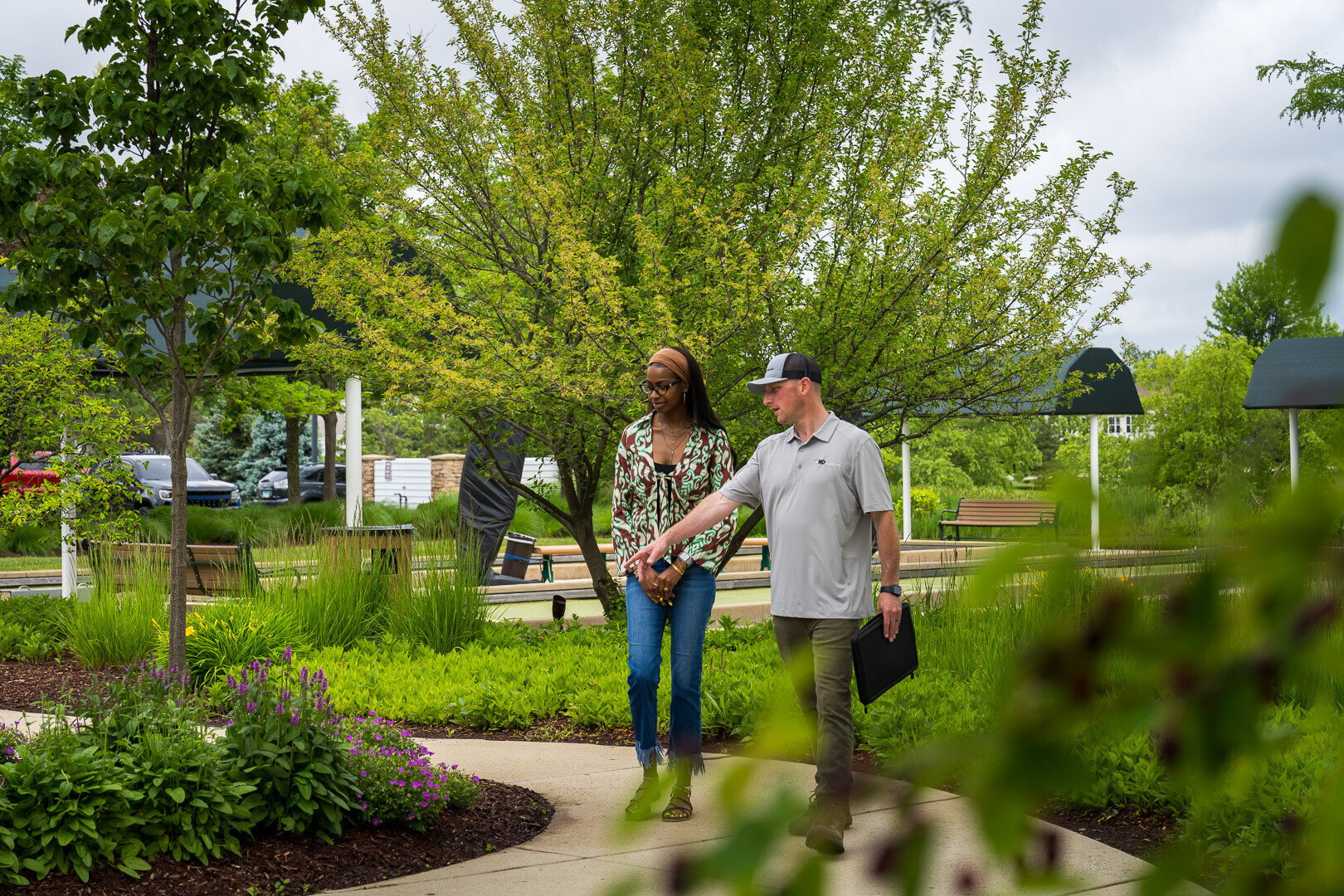
A snowplow operator may also want time to walk through your site before winter, so he or she knows your preferences and priorities. Every property is unique, and your service professional will want to provide you with exceptional solutions to meet your needs.
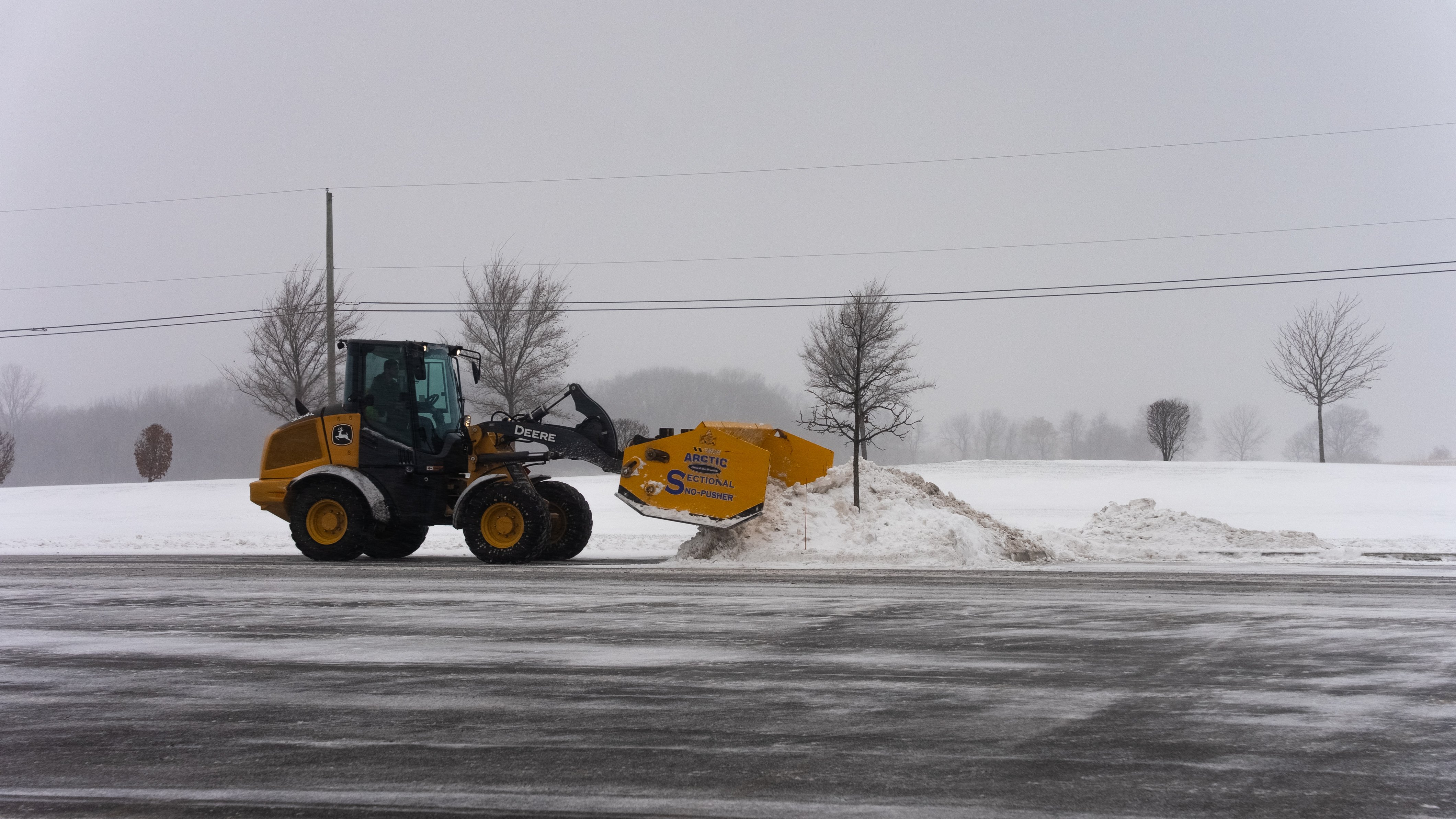
This is one of the most essential snow-removal tips, since we never know what Mother Nature will bring during the winter months, despite the forecasts. For the winter of 2023-2024 in Greater Chicago, for instance, the Farmers’ Almanac is predicting a cold, snowy outlook. Snowfall amounts are expected to meet or slightly exceed normal numbers.
Don’t Neglect Snow Removal Services Preparations on Your Commercial Property
We know it’s easy to stop thinking about your commercial landscape once the weather cools down. With everything on your plate, the last thing you want to add to your list is to go out there and start cleaning things up and preparing for winter. We completely understand.
But being diligent now can save you so much time, money, and headaches through winter and into spring. Don’t want to wait until the last minute. KD Landscape can help you with commercial property winter preparation, putting your facility in the best possible position for a tidy winter and a gorgeous spring.
Want to learn more about our winter commercial property preparation service in Greater Chicago? Get started today with an on-site consultation. We’ll review your options together so you can feel confident and make a great choice.